
Life Story Work: Helping a Child Understand Their Own Past
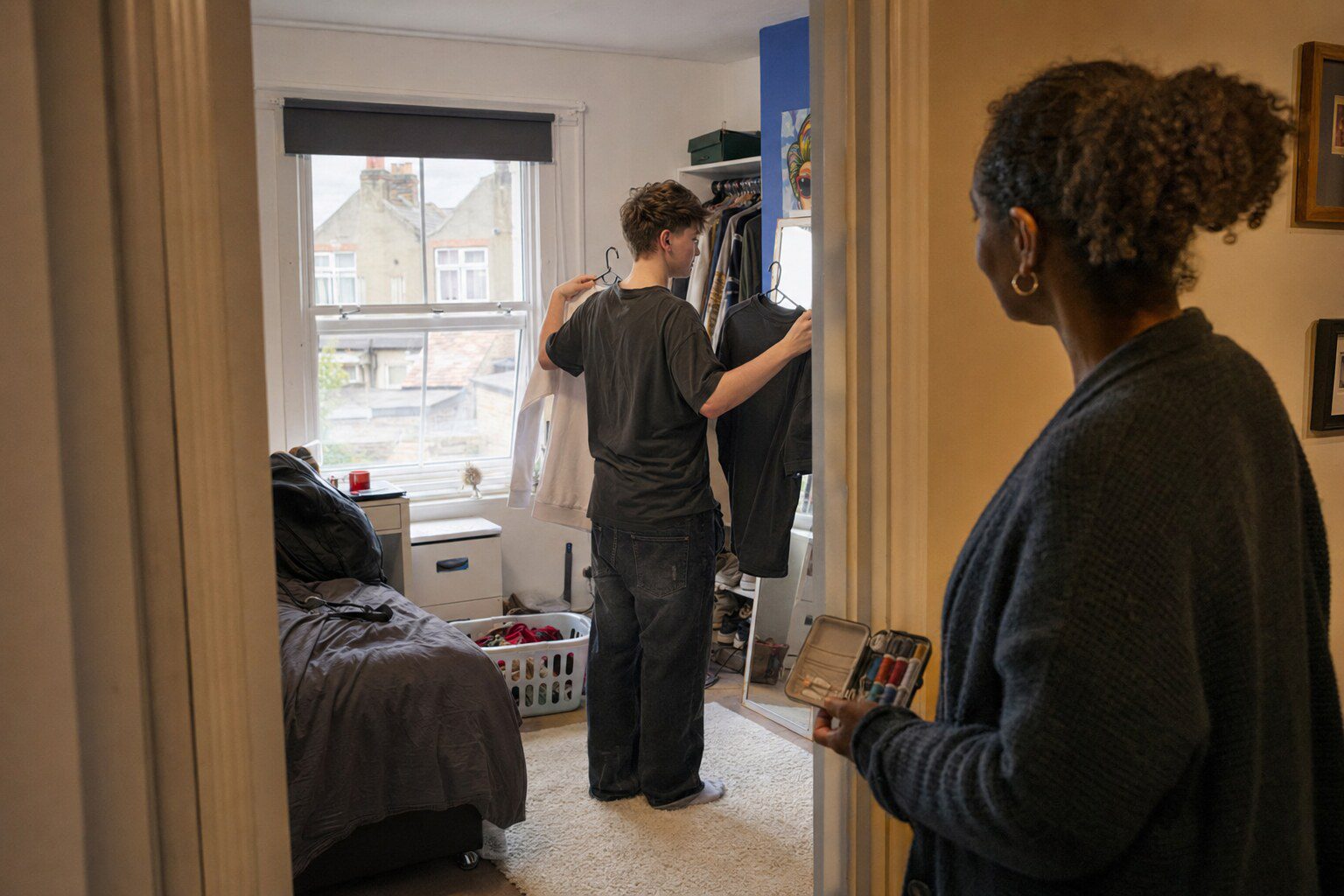
A child who has moved three times before their eighth birthday usually carries a version of their own story with holes in it. They know they left. They often do not know why, and in the gap they write something worse than the truth: that it was their fault. Life story work is how that gap gets filled properly. You will not lead it, but you will almost certainly be the person in the room when the questions come.
Please note: general information for people thinking about fostering, not advice about any individual child. Figures and legal references are correct at 2 September 2026. Retention rules for children’s records are set out in regulation 50 of the Care Planning, Placement and Case Review (England) Regulations 2010.
What life story work actually is
Life story work is planned work in which a child goes back over their own history with a trusted adult and puts it in order. Research in Practice, whose practice tool for social workers came out in December 2022, describes the aim as building “a coherent narrative, a story that makes sense of the past, present and future”. It answers the questions a child in care asks constantly, out loud or otherwise: who am I, where did I come from, why did I not grow up with my mum or dad.
It is not a scrapbook, though a book is often part of it. It might be a memory box, a timeline drawn on lining paper across a bedroom floor, a shoebox of tickets and letters. The work usually runs over about six months, but it often gets picked up again years later, when a fourteen-year-old wants answers a seven-year-old did not ask for.
Why it matters more than it sounds
Bright Spots, run by Coram Voice with the Rees Centre at Oxford, has asked thousands of children in care whether anyone has properly explained why they are in care. The answers should stop anyone who thinks this is a nice extra. Among four to seven-year-olds, 49% did not have a full explanation. Among eight to eleven-year-olds it was 33%, and among eleven to eighteen-year-olds 18% were unsure or did not know. Of care-experienced young people aged 18 to 25, 24% said they had never had a full explanation at all.
The same work links not knowing to feeling unsettled where they lived and to lower wellbeing overall. That is the practical case for it. A child who does not know why they came into care tends to assume they were the problem, and a child who thinks that behaves like someone waiting to be sent away.
Be honest about the evidence, though. A 2020 scoping review by Simon Hammond and colleagues sifted 1,336 publications and found only 24 empirical studies, most very small, with almost no data on how well life story work actually works. It is better supported by what children say they need than by trial evidence.
Life story work is theirs. Placement story work is yours.
Formal life story work belongs to the child’s social worker. They decide when a child is ready, they hold the file, and they can confirm what happened and in what order. Sometimes you will be invited to sit in, sometimes not, and neither is a comment on you.
It helps to think of your own part as placement story work rather than life story work. You are not the person who explains what happened before they arrived. You are the person who makes sure the months or years they spend living with you do not vanish the day they move on. That is a narrower job than it sounds, and an easier one to do. Nobody else will keep the swimming certificate. Things worth putting away from your time together:
- Photos and short videos of ordinary days, not only birthdays
- School reports, certificates, badges or trophies they would rather not have on show
- Artwork, craft items and pieces of schoolwork that mattered to them
- Tickets from days out, cinema stubs, shells from a beach
- The first tooth, a lock of hair from a first haircut, a christening candle
- Birthday cards, party invitations, friendship bracelets
- Letters from family or from previous foster carers
- Recipes they cooked with you, especially food from the country they were born in
Keep digital copies of anything irreplaceable, and label photos with names and dates while you remember them. Then, and this is the part people forget, make sure it all leaves with the child. A box that stays in your loft after they move on is worse than no box at all.
The questions that arrive at the kitchen table
Formal sessions get scheduled. Real questions do not. They come in the car on the way back from seeing family, or at ten past nine at night when the light is off and nobody has to make eye contact. What you say in those moments does more than any book.
Three things help. Answer honestly at the level they asked, without adding detail they did not request. Say “I don’t know, but I can ask your social worker” when you don’t know, because a wrong guess costs you trust you will need later. And never fill a silence by criticising their parents, however much you want to. A child hears an attack on their family as an attack on themselves.
Write down what they said afterwards and tell your supervising social worker. A child asking new questions is usually the signal that the formal work needs revisiting. Much of this overlaps with understanding trauma and attachment, because a child’s ability to hear hard information depends on how safe they feel with you first.
What goes wrong
The Hammond review was clear about the damage badly done work causes. Rushed, incomplete accounts. Missing photographs. Records written in judgemental language about a child’s parents that the child later reads word for word. One-off work done at nine and never touched again, so the story stops where the child was least able to understand it.
There is a fourth failure, easier to slip into: vagueness. Telling a six-year-old that “mummy was poorly” and leaving it there sounds kind, and it hands the child a mystery they will solve badly on their own. Give the true, simple version and add to it as they grow. If you are unsure how much a child has been told, ask before you say anything.
Their file outlasts everyone
Few people outside fostering know this. Under regulation 50 of the Care Planning, Placement and Case Review (England) Regulations 2010, a local authority must keep a child’s case record until their 75th birthday. Every recording you write is part of a file a fifty-year-old may one day read, hoping to find out what their childhood was actually like.
The Care Leavers Association runs free guides for care-experienced adults applying to see their files (0161 826 0214). Many describe opening the folder and finding almost nothing warm in it: dates, incidents, professional language, no sense of the child. You can change that in fifteen minutes a week. Write that they laughed until they hiccupped at the dog on the bus. That is the entry they will want when they are forty.
Where it fits with everything else
It runs alongside family time with parents and relatives, which gives a child living information rather than only a written account. It matters especially for a child whose heritage or faith is different from yours, where the story includes a country and a name that need protecting. And it becomes urgent when a child is moving to a new home, because that is when things get lost in bin bags.
Of the 81,770 children in care in England at 31 March 2025, 67% lived with foster carers, on DfE figures published on 26 November 2025. Most of the memory keeping in this country is done at kitchen tables, by people never told it was part of the job.
You won’t have to do this alone
None of this requires a qualification. It requires someone paying attention, and a supervising social worker you can ring when a child asks something you were not ready for. At GLF you get that, plus training, a 24-hour out-of-hours line and other carers who have sat through the same bedtime questions. You will never be expected to explain a child’s history without knowing the plan.
We also pay properly. As at September 2026 that is £479.50 a week for a child under 11 and £507.50 for a child aged 11 or over, paid per child while they live with you, with an enhanced fee of roughly £100 to £200 a week more where needs are higher. Ofsted inspected us from 21 to 25 July 2025 and rated us Outstanding in all three judgements; the report is published in full here. If you are still reading rather than ringing, our guide to becoming a foster carer sets out what happens next.
Wondering whether you could do this? Have a chat with us first. No pressure, no obligation.
Or read more about the support foster carers receive.
Frequently asked questions
Who is responsible for a child’s life story work?
The child’s social worker leads it and decides when to start, sometimes with a therapist involved. Foster carers are not expected to run the sessions. Your part is narrower: placement story work, making sure the child keeps a record of the time they lived with you, and telling the social worker when new questions come up.
What should I do if a child asks me why they came into care?
Answer honestly at the level they asked, check with your supervising social worker about what they have already been told, and say you will find out rather than guess. Avoid criticising their parents. Record the conversation in your notes so the social worker knows the question has come up.
What should go in a child’s memory box?
Photos of ordinary days, school reports and certificates, artwork, tickets from days out, birthday cards, letters from family or previous carers, small items such as a first tooth or a friendship bracelet. Keep digital copies of anything irreplaceable, and make sure it all goes with the child when they move on.
Can a young person read their own care records later?
Yes. Local authorities must keep a child’s case record until their 75th birthday under regulation 50 of the Care Planning, Placement and Case Review (England) Regulations 2010, and care-experienced adults can apply to see their files. The Care Leavers Association offers free guidance and can be reached on 0161 826 0214.