
Preparing a Foster Child for Independence: A Practical Guide for Carers
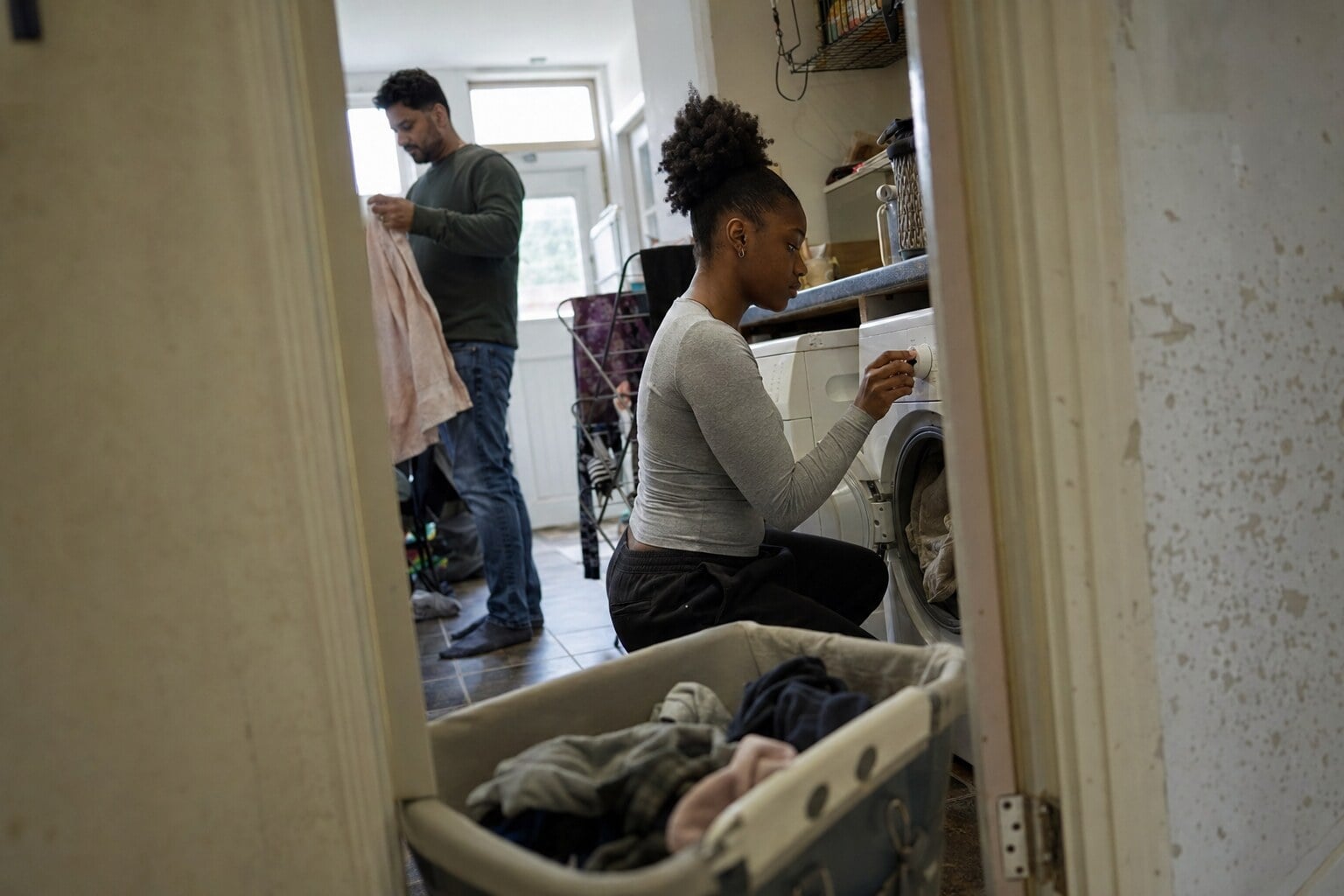
A young person you have looked after for years turns eighteen, and the paperwork changes overnight. They stop being a looked-after child and become a care leaver. What does not change overnight is whether they can cook a proper meal, read a tenancy agreement or ring a GP surgery without their stomach turning over. That gap is the thing worth working on, and you can start long before anyone says the words “leaving care”.
Please note: this is general information about support for care leavers in England, not advice about a particular young person. Figures are correct at August 2026. What an individual gets depends on their care history and their local authority, so check with their social worker or personal adviser. The rules start with the government’s guide to leaving foster or local authority care on GOV.UK.
Start earlier than feels necessary
Most people come to fostering thinking about the beginning. The first night, the first school run. The ending gets far less attention, and it is the part experienced carers tell us they felt least ready for. Plenty of care leavers live alone at eighteen, when young people who were never in care still have their washing done for them. That is not fair, and no amount of preparation makes it fair. What preparation does is shorten the distance between where a young person is and where they suddenly have to be.
So the honest answer to “when should I start?” is earlier than feels necessary. Not at seventeen, when the meetings begin. From around thirteen or fourteen, quietly, in the ordinary run of the week. If a young person has already been through several moves the groundwork matters more, not less, because each move knocks out some of the confidence this work needs. We have written separately about what a move actually does to a child.
What the system sets up, and when
In England the leaving care framework hangs off a young person’s care history, not their birthday, which is why two eighteen-year-olds in the same class can be entitled to very different things. The threshold is thirteen weeks in care since the age of fourteen. Where a young person meets it:
- At sixteen, while still looked after, they become an “eligible child”. A needs assessment and a pathway plan must be completed within three months of that point.
- A personal adviser is appointed at that stage, working alongside the child’s social worker rather than replacing them.
- The pathway plan is reviewed at least every six months. The young person or their personal adviser can ask for a review at any time in between.
- At eighteen they become a “former relevant child”. The social worker’s involvement ends and the personal adviser carries on.
- Personal adviser support runs to twenty-one, and to their twenty-fifth birthday if the young person asks for it to continue.
On paper that is an orderly handover. In practice a pathway plan is only as good as what gets said in the room, and that depends on whether the young person walked in with anything they wanted. This is where carers earn their keep. Sit down with them a week beforehand, ask what they would like to happen, and write it in their own words so they have something to hold on the day. Many councils also hold a planning meeting at around seventeen and a half to settle accommodation and money, though that is practice rather than law, so ask when it is happening.
The money that exists, and the money that does not
Care leavers in England have real financial entitlements, and a striking number never claim them because nobody explained them plainly. As at August 2026:
- A leaving care allowance, usually called a setting up home allowance. The Department for Education raised the recommended minimum to £3,000 from April 2023. That is a recommendation rather than a legal floor, so amounts still vary between councils.
- £2,000 from their local authority if they go on to higher education.
- Up to £1,200 a year from the 16 to 19 Bursary Fund for young people in care and care leavers, in 2026/27. Colleges assess each student’s actual need, so nobody should assume the maximum.
- £3,000 for a care leaver under twenty-five starting an apprenticeship, where the apprenticeship began on or after 1 August 2023.
- Exemption from the shared accommodation rate until they turn twenty-five, so housing support is not pegged to the cost of a room in a shared house.
Three thousand pounds sounds generous until you price a bed, a fridge, a washing machine and a deposit. It goes quickly, and it usually goes badly if it is the first large sum a young person has ever controlled. So give them practice while the stakes are low: hand over a real monthly budget and let them get it wrong in a month where the consequence is beans on toast rather than an eviction notice.
I do, we do, you do
The most useful idea in our own guidance is also the simplest. It is a three-step way of handing over any practical skill, from the washing machine to booking a GP appointment.
- I do. You do the task and talk out loud about what you are doing and why. They watch.
- We do. You do it together, with them taking the lead wherever they can.
- You do. They do it alone, and you find something to be busy with in another room.
The middle stage is the one people skip, and it is the one that carries the learning. Alongside it, give whole tasks rather than fragments. “Thursday dinner is yours” teaches far more than “chop these carrots”, because it includes noticing at half past five that you should have started at five. They will forget something. That is the point of doing it while there is still somebody at home. Our piece on life skills and independent living skills lists what else is worth covering.
The conversations that matter more than the skills
If you only had the energy for one thing, this would be it. Tell them you believe they can do it, and keep telling them long past the point where they roll their eyes at you. Carers often stop because the eye-rolling reads as rejection. It almost never is. A young person who has been moved several times has collected plenty of evidence that adults give up on them, and the only thing that dents it is an adult who does not.
- Write a CV together and do practice interviews at the kitchen table, using the questions they are dreading.
- Help them write down the people they will still be able to ring at nine o’clock on a Sunday night. Put your own name on that list if you mean it.
- If they are from a minority background, work at keeping them connected to their culture and community after they leave. A mentor who shares their background is worth more than any leaflet.
- If they are disabled, keep asking whether the personal adviser has contacted adult disability services, because that handover is where things most often fall through.
If they want to stay, they may be able to
None of this has to mean they leave at eighteen. Staying Put allows a young person to carry on living with their foster carer past their eighteenth birthday, usually up to twenty-one, on a different legal and financial footing. It is the option most young people say they want, and the one carers most often do not realise exists. Raise it well before pathway planning reaches the accommodation question. We have set out how Staying Put works and what changes for you separately.
You won’t have to do this alone
This is a particular piece of work, and not one we expect carers to invent from scratch. Your supervising social worker will have done it before and will know which local authority teams answer the phone and which need chasing. Our training covers independence and life skills, and there is out of hours support for the evenings when a plan comes apart. Our article on what support foster carers receive sets out what that looks like week to week.
The money side is straightforward here, which matters when you are feeding a teenager and covering bus fares. GLF pays one fixed weekly fee covering both the child’s allowance and your reward: £479.50 a week for a child under eleven, and £507.50 a week for a child aged eleven or over, paid per child while they are placed with you. Higher-needs placements attract an enhanced fee, generally £100 to £200 a week more. There are no one-off payments for birthdays, so what you are told is what arrives. The detail is on our fostering pay page. Ofsted inspected us in July 2025 and rated us Outstanding in all three judgements.
If reading this has made you think you could not do it, most of the carers who are best at it felt the same. You do not need the answers before you pick up the phone.
Curious about fostering a teenager? Have a chat with us first, no pressure and no obligation.
Or read more about becoming a foster carer with GLF.
Frequently asked questions
When should I start preparing a foster child for independence?
Earlier than most people expect. The formal process starts at sixteen, but the useful work starts around thirteen or fourteen, in ordinary weekly life rather than planned sessions. If a young person arrives with you at fifteen or sixteen, raise it with your supervising social worker straight away.
Does a young person have to leave at eighteen?
No. Staying Put allows them to remain with their foster carer past eighteen, usually up to twenty-one, where both the young person and the carer want it and the local authority agrees. It sits on a different legal and financial footing from a fostering placement, so the fee changes. Raise it well before their eighteenth birthday.
What money is a care leaver entitled to in England?
It depends on their care history. As at August 2026 the main items are a setting up home allowance with a recommended minimum of £3,000, £2,000 from the local authority for higher education, up to £1,200 a year from the 16 to 19 Bursary Fund, and a £3,000 apprenticeship bursary for a care leaver under twenty-five. Their personal adviser can confirm what applies.
Can I still be involved after they move out?
Very often, yes. There is no formal role once a placement ends unless it becomes a Staying Put arrangement, but nothing stops you being the person they ring. Say so before they go, because a young person will rarely assume it.