
Promoting a Foster Child’s Education: What You Can Actually Ask For
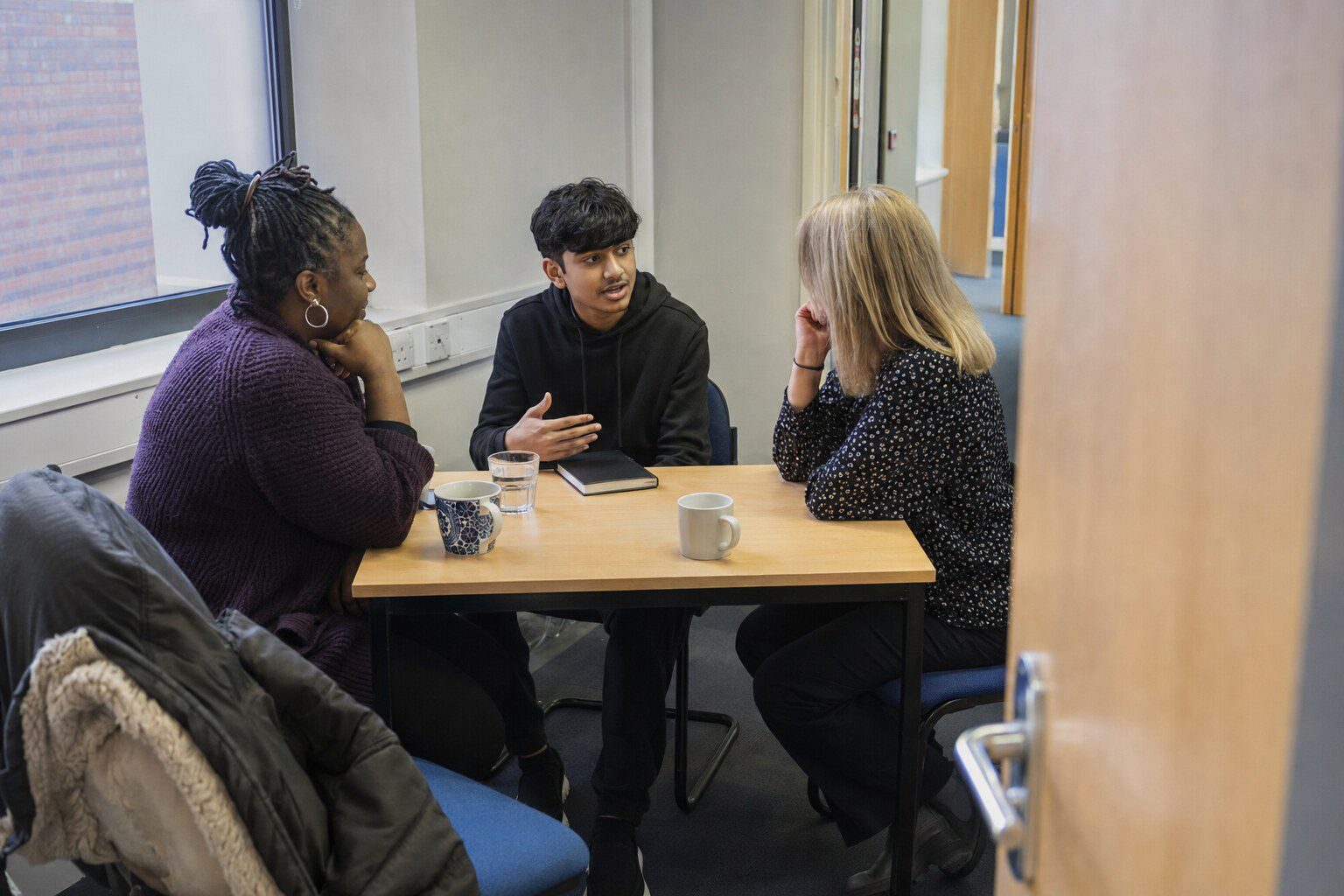
School is where a child in care is most often judged and least often asked. It is also the corner of the week where the law gives you real standing: named people who have to help, money attached to your child, a plan you can sit in on and argue with. Most new carers have no idea it exists. Here is what to ask for.
Please note: general information about education in England, not advice about a particular child, correct at 3 September 2026. The duties below come from the Department for Education’s statutory guidance, Promoting the education of looked-after children.
The gap is real, and it is mostly not about ability
The Department for Education’s latest outcomes figures, published in April 2026, cover 2024/25. Children in care for at least twelve months scored an average Attainment 8 of 17.3 at GCSE, against 46.0 for all pupils. At the end of primary school, 35 per cent reached the expected standard in reading, writing and maths, against 62 per cent nationally.
Those figures get quoted to say something bleak about the care system. Read them more slowly. In the same group, 61.2 per cent have a recognised special educational need and 33.9 per cent have an Education, Health and Care plan, against 5.3 per cent of children generally. A child who changed school twice in Year 9, or spent Year 5 where nobody asked whether the homework got done, is not behind because they are slow. The conditions for learning were missing, and conditions can change. That is the argument for fostering. If your child has an EHC plan, our guide to fostering a child with a disability or additional needs covers how that support gets assessed.
The three people who are supposed to be on your side
Every local authority in England appoints a virtual school head, under section 99 of the Children and Families Act 2014. The name misleads: no building, no pupils. They track the education of every child that authority cares for as though they all attended one school, and hold the extra funding attached to each child. Most carers never speak to theirs. You should.
Every school, academies included, must have a designated teacher for children in care, under section 20 of the Children and Young Persons Act 2008: a qualified teacher, or the head. This is who you email when a set change looks wrong, or a detention lands badly on a day you knew was hard already. Carers often spend a term dealing with the school office without being told this name. Ask in week one.
The third name worth having is the special educational needs coordinator. Our guide to how foster carers support children at school covers the daily side of it.
The PEP is the meeting that matters
Every child in care has a personal education plan, a legal part of their care plan under the Care Planning, Placement and Case Review (England) Regulations 2010. It should start within ten working days of a child coming into care or moving school, and be reviewed every term. In practice it is forty minutes in a room off school reception with the social worker, the designated teacher and you.
A PEP can be a form everybody signs and forgets. It can also be the thing that produces a laptop, a reading tutor on Tuesday afternoons or a quiet room for mocks. What decides which you get is whether anybody brought specifics. You watched the homework actually happen, so bring:
- what they really do between four and seven, not what the timetable says
- the one subject they will talk about without being asked
- anything that changed after a move, a family visit or a court date
- what they say they want to do at sixteen, even if it changes monthly
- the targets set last time, and whether anything came of them
Our guide to helping a child through a move explains why school is the part nobody plans.
The money that follows the child
Children in care attract pupil premium plus: £2,690 a child for the 2026 to 2027 financial year. What matters is where it lands. It is not paid to the school. It goes to the local authority, and the virtual school head decides with the school how to spend it on that child.
So when a school says there is no money for what your child needs, the money exists and somebody else is holding it. Ask at the PEP what the pupil premium plus bought this year, and ask for it in the notes. Most virtual school heads publish a policy on how they spend it, four clicks deep on a council site.
Getting a school place, and keeping it
Admissions authorities of every mainstream school must give children in care the highest priority in their oversubscription criteria. Not high priority. Highest. A school that is full for everybody else is not full for a child in care, and it cannot refuse on the grounds of behaviour. Where a child comes into care with no school, the local authority has twenty school days to find one.
Exclusion is the harder half. The guidance says head teachers should as far as possible avoid excluding a child in care, and permanently excluding a child who has already lost one home is a bad outcome by any measure. It happens anyway. If things are moving that way, get the virtual school head involved early rather than at the appeal, and ask for the behaviour policy in writing. Off-rolling, where a school quietly pushes out a struggling pupil without a formal exclusion, is unlawful and can be raised with the local authority or Ofsted. More on what sits underneath in our guide to when a child’s behaviour is hard to handle.
What actually helps at the kitchen table
None of that machinery matters half as much as the hour after school, and the carers who shift a child’s education are rarely the ones who know the curriculum best. With younger children it is reading aloud, out of order and in silly voices, on as many nights as you manage. Sand and water. Counting things in the car park.
With primary-age children, keep the homework slot in the same place at the same time and stay near it, even if you are peeling potatoes at the counter. Say out loud that the hard bit is hard, because a child who thinks everyone else finds it easy stops trying. With teenagers, back off the desk and get specific at dinner: not “how was school” but “what did your English teacher say about the poem”. A fourteen year old who spends a Saturday shadowing a plumber learns more than a term of assemblies teaches.
After sixteen, the support does not stop
This is the part carers most often miss, because it lands at the age when everyone is worrying about something else. A young person in care, or one who has moved on, can claim the 16 to 19 Bursary Fund on the vulnerable-groups route rather than the discretionary one: up to £1,200 a year.
If they go into higher education before their twenty-fifth birthday, the local authority owes them a bursary of at least £2,000, a grant rather than a loan, and student finance is assessed on their own income rather than a household one. On the UCAS form there is a box asking whether they have been in care. Tick it. It is confidential, never used against an application, and it switches on the university’s own support: a named contact, accommodation that stays open at Christmas, a bursary.
Not everyone is heading to university, and nobody should be pushed. Apprenticeships start at sixteen and pay the apprentice minimum wage, £8.00 an hour from 1 April 2026, rising once they finish the first year and turn nineteen. T Levels are two-year courses worth three A levels, and unlike an apprenticeship they carry UCAS points. Our guide to preparing a young person for independence goes further into the money and the forms.
You won’t have to do this alone
It would be easy to decide you need to be confident with schools before you could foster. You don’t. Plenty of our carers left school at sixteen themselves and are the reason a child in their house sat any exams at all. What you need is somebody who knows which door to knock on, and that is our job. Every GLF carer has a supervising social worker who will come to a PEP meeting, read your draft email to a head teacher, or ring the virtual school head themselves. Training on education is included and support is there out of hours, because the call about a suspension rarely comes on a quiet Tuesday morning. GLF was inspected by Ofsted from 21 to 25 July 2025 and rated Outstanding in all three judgements: read the full report rather than take our word for it.
You are paid properly for the work too. GLF pays £479.50 a week for a child under 11 and £507.50 for a child aged 11 or over, per child and for as long as they live with you, with an enhanced fee of roughly £100 to £200 a week more where a child needs a higher level of care. One weekly figure, no one-off payments to chase. Our page on becoming a foster carer sets out what the process involves.
Have a think, then have a chat. No pressure, no obligation, no assumption you have decided anything.
Or read more about the support foster carers receive.
Frequently asked questions
Do I have to go to the PEP meeting?
You are not obliged to, but you see the homework and the Sunday-night dread, and a PEP written without that is a weaker plan. Go if you can. If the time clashes with work, ask for it to be moved and let your supervising social worker push for it.
What is pupil premium plus and can I ask how it is being spent?
Extra government funding attached to children in care, £2,690 per child for the 2026 to 2027 financial year. It goes to the local authority rather than the school, and the virtual school head agrees how to spend it. Yes, you can ask, and the PEP is the place.
Do I need to be academic myself to foster?
No. There are no educational qualifications required to become a foster carer and nobody will test you on long division. What matters is turning up, noticing when something has gone wrong at school, and asking the same question twice. Your supervising social worker handles the technical parts with you.