
What Is Parent and Child Fostering?
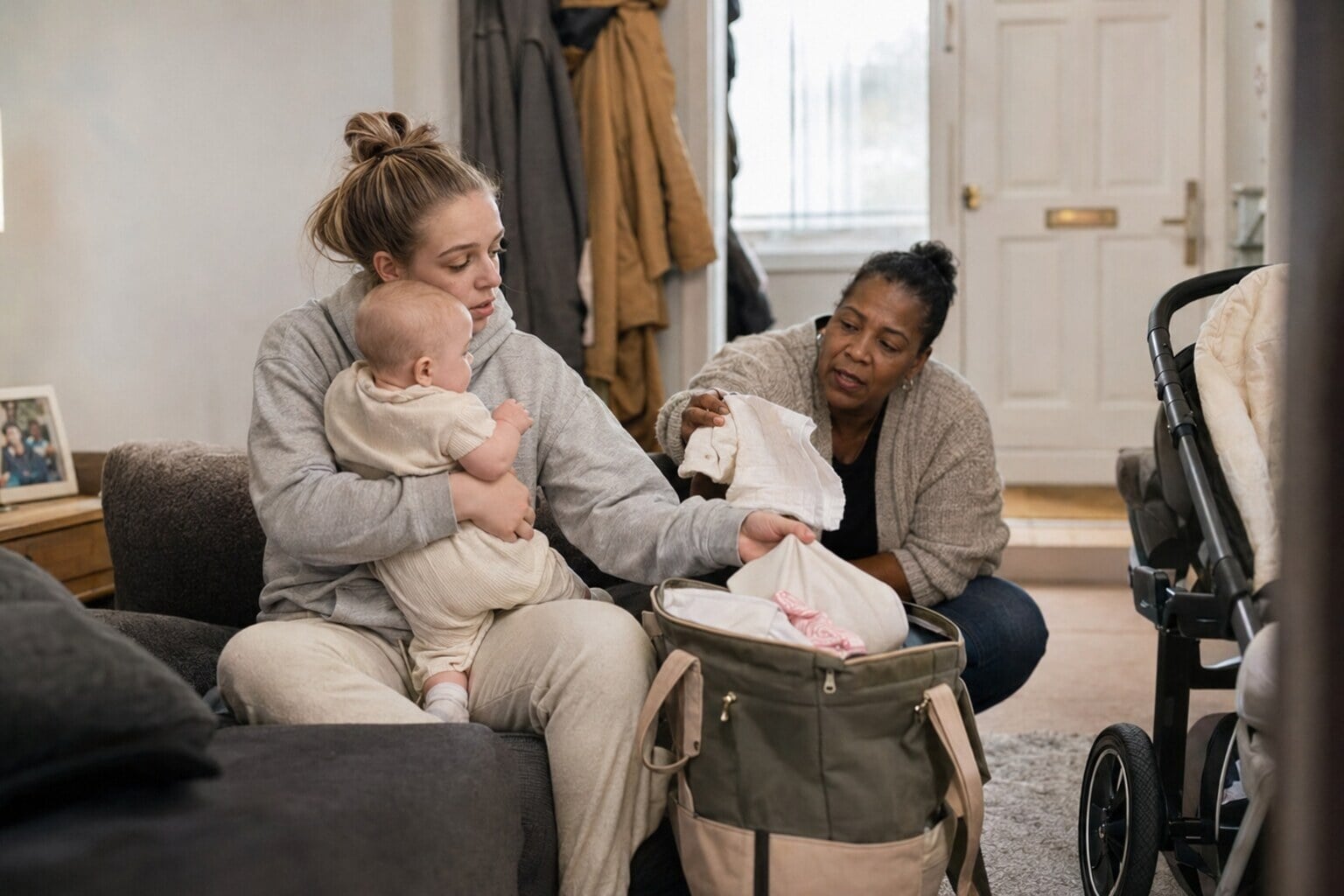
Parent and child fostering is one of the most rewarding forms of fostering there is: instead of caring for a child alone, you welcome a parent and their baby or child into your home and help that parent learn to care for them safely and confidently. It’s a role that asks a lot of you, but it changes lives — often keeping families together who might otherwise be separated. If you’ve ever wondered what it involves, who it’s for, and whether you could do it, this guide walks you through it gently and honestly.
Please note: This is general information about how parent and child fostering usually works in England, not legal advice. Every placement is different and the details are set by the child’s local authority and the courts. Figures are correct for the 2026/27 year; always check current rates with us or the authoritative sources linked below.
What parent and child fostering actually is
In a parent and child placement, a parent — most often a mother, sometimes both parents — comes to live in your home together with their child, usually a baby or very young child. The placement is normally for a defined, fairly short period of around 12 weeks, though it can be extended if everyone agrees more time is needed. Your job is not to take over the parenting. It’s to support the parent to care for their own child, while quietly observing, recording and reporting how things are going to the social workers involved.
That last part is what makes this role distinctive. Alongside the warmth and practical help you offer, you keep clear, factual notes about daily life in the home. During the placement, social workers are carrying out a structured assessment of whether the parent can safely care for their child independently — and your observations form an important part of the picture. It’s a big responsibility, but you’re never making the decision yourself; you’re providing honest, day-to-day evidence to the professionals who are.
Who are the parents you’d be supporting?
There’s no single story. The parents who come into a parent and child placement are usually going through a vulnerable time and need extra support to show they can care for their child. They might be:
- A young or first-time parent — sometimes a teenager — who has little or no support network of their own.
- A parent with complex needs, such as a learning disability or mental ill-health, who needs help to build practical parenting skills.
- A parent who has had to leave an unsafe or unsuitable home, or get away from people who posed a risk to them or their child.
- A parent about whom social services have some concerns, who is being given a genuine, well-supported chance to show what they can do.
Whatever their circumstances, these are people at a crossroads. With the right support in a stable home, many go on to parent their children successfully and independently — which is exactly what this role is designed to make possible.
What the role involves day to day
The heart of parent and child fostering is a gentle balance between supporting and observing. You’re there to build the parent’s confidence, not to do everything for them. A good rule of thumb that many carers use is to teach a skill step by step: show the parent how (for example, how to sterilise bottles or change a nappy), talk it through together, do it alongside them, then step back and let them do it on their own once it’s safe to. Small wins, repeated patiently, are what build a capable, confident parent.
Depending on the agreement in place, day-to-day support might include:
- Helping a new mother rest and recover, and supporting a pregnant teenager both practically and emotionally.
- Coaching everyday parenting skills — feeding, bathing, bedtime routines, play and tummy time — using the principles of positive parenting.
- Helping the parent understand their baby’s cues and build a warm, secure attachment.
- Pointing them towards local support such as children’s centres, breastfeeding clinics and baby groups.
- Building life skills for the future, like budgeting, cooking, dealing with bills and accessing benefits.
Running alongside all of this is your record-keeping. You’ll note things like daily routines, health and appointments, the parent’s interactions with their child, moments of warmth (or stress), safeguarding matters, and the progress the parent makes over time. You’ll be trained in how to do this well — how to separate fact from opinion, how often to write, and how to store your notes securely. It’s more like the record-keeping in any fostering placement than you might fear, just with a clearer purpose.
The placement agreement and the assessment
Before a parent and child move in, a placement agreement is drawn up so everyone understands the ground rules. It sets out practical things such as where the baby sleeps and who cares for them overnight, whether the parent can be alone with their child and under what circumstances, how contact with other family members will work, what you should be observing and how often to record it, and how any shared household costs are handled. Having all of this written down and agreed protects everyone — you, the parent and, most importantly, the child.
The assessment itself is led by the local authority’s social workers and typically runs over about three months. Social workers will meet with the parent and with you, usually every week or fortnight, combining observation with discussion. This longer timescale isn’t there to catch anyone out — it’s there to give a fair, accurate picture of how the parent is really doing and how much they’re improving with support. Structured parenting assessments used in these situations, such as the widely used PAMS framework, are deliberately spread over 8–16 weeks for exactly that reason.
Could you be a parent and child carer?
The basic requirements are the same as for any kind of fostering: you’ll go through a Form F assessment and be approved by a fostering panel. You do not need to be married, own your home, be a certain age, or have professional childcare experience — a common myth we hear all the time. What matters most is warmth, patience and stability. You can read more about the general criteria on our foster carer requirements page, and about the misconceptions that hold good people back in our guide to the common myths about who can foster.
For this particular role, assessors will also look for some extra qualities, because you’ll have another adult living in your home and your professionalism may sometimes be tested. These include:
- The ability to set consistent boundaries — with adults as well as children.
- Good communication, and knowing which battles to pick.
- A solid understanding of safeguarding and safer caring.
- The ability to keep clear, accurate records and to separate fact from personal opinion.
- An understanding of child development and attachment, and of the challenges a struggling parent may need to overcome.
If that list feels daunting, don’t worry — once you’re approved for parent and child fostering you’ll receive training specific to the role, and you’ll never be doing it without expert support behind you. Many of these skills are built up over time, not expected on day one.
What about court?
Because these placements often form part of wider decisions about a child’s future, you may occasionally be asked to attend court — usually to support the family or, sometimes, because your careful records are used as evidence of how the parent managed. It can sound intimidating, but it’s very manageable with preparation: dress smartly, arrive early, read any statement you’ve made beforehand, speak clearly, and simply tell the truth. The parents are usually entitled to free legal aid, and children have a lawyer appointed through Cafcass. Your supervising social worker will make sure you’re prepared and supported every step of the way.
How you’re paid and supported
Parent and child fostering is a skilled, demanding role, and it’s fairly rewarded. At GLF we believe in being completely upfront about money — you should never feel awkward asking. We pay a straightforward weekly fee of £479.50 for a child under 11 and £507.50 for a child aged 11 or over, which combines the fostering allowance and your reward as a carer. Because parent and child placements are specialist, higher-support work, they often qualify for an enhanced fee — generally £100 to £200 a week more, depending on the needs involved. To put that in context, the Government’s minimum weekly fostering allowance for 2026/27 ranges from roughly £251 to £434 depending on the child’s age, so GLF’s payment sits comfortably above the national minimum. You can see the full breakdown on our fostering pay and allowances page.
Money is only part of the support, though. You’ll have a dedicated supervising social worker who knows you and your household, regular supervision, ongoing training tailored to this role, and a team you can call whenever you’re unsure — because checking in is exactly what you’re supposed to do, not a sign you’re struggling.
You won’t have to do this alone
Parent and child fostering can be intense — you’re supporting a whole family through a pivotal moment, keeping honest records, and holding boundaries with real compassion. But it’s also one of the most meaningful things you can do: you could be the reason a baby stays safely with a parent who simply needed someone in their corner. At GLF we’re a small, personal agency, and we mean it when we say you’re never on your own. Our team is there to support the parent and child — and to support you — every single day of the placement. If you’re curious about becoming a foster carer, this could be the specialist path that fits you.
Wondering whether parent and child fostering could be right for you? Let’s have a no-pressure chat — no obligation at all.
Or explore the different types of fostering to see what suits you.
Frequently asked questions
How long does a parent and child placement last?
Most parent and child placements last for a defined period of around 12 weeks, giving social workers time to assess how the parent is caring for their child. Placements can be extended if everyone agrees more time would help.
Do I need my own children or childcare experience to do it?
No. You don’t need to have raised children of your own or worked professionally with children. What matters most is patience, warmth and stability. You’ll receive training specific to parent and child fostering once you’re approved.
Am I responsible for looking after the baby myself?
No — the parent remains their child’s main carer. Your role is to support and coach the parent, keep everyone safe, and observe and record how things are going, rather than to parent the child for them.
How much does GLF pay for a parent and child placement?
GLF pays a weekly fee of £479.50 for a child under 11 and £507.50 for a child aged 11 or over. As parent and child fostering is specialist work, placements often attract an enhanced fee of around £100 to £200 a week more, depending on the needs involved.
Might I have to go to court?
Sometimes. Your records may be used as evidence, and you might attend to support the family. It’s very manageable with preparation, and your supervising social worker will help you get ready and support you throughout.