
Supporting a Foster Child’s Mental Health: What Actually Helps

Around four in ten children in care score in the range the Department for Education calls a cause for concern. A practical guide to what actually helps at home, and how to get professional support when a child needs more.
When a Foster Child’s Behaviour Is Hard to Handle: What Actually Helps

Behaviour is what most people worry about before they enquire about fostering. Here is what actually helps: staying calm in the moment, the quiet work you do beforehand, what a fair consequence looks like, and where the legal lines sit.
Continuing Care Explained: What It Means for Foster Carers in England

“Continuing care” means two different things depending on where you are in the UK, and carers get caught out by it all the time. Here is what it means in England, how the NHS assessment works, and what happens when a young person turns 18.
Fostering a Child With a Disability or Additional Needs

Most carers who look after a child with a disability began with no clinical background at all. Here is what the day-to-day really involves, who else is on the team around the child, and what Greater London Fostering pays.
Fostering a Child From a Different Cultural Background

Roughly one child in four in care in England comes from a minority ethnic background, and in London the mix is wider still. Here is what the law asks of foster carers, the practical detail on food, faith, hair and skin, and how to respond when a child meets racism.
Preparing a Foster Child for Independence: A Practical Guide for Carers

Getting a young person ready to leave care is the part of fostering carers say they felt least prepared for. Here is what the leaving care system in England sets up and when, what money a care leaver is actually entitled to, and the everyday things that make the biggest difference.
Helping a Foster Child Through a Move: What Transitions Really Involve
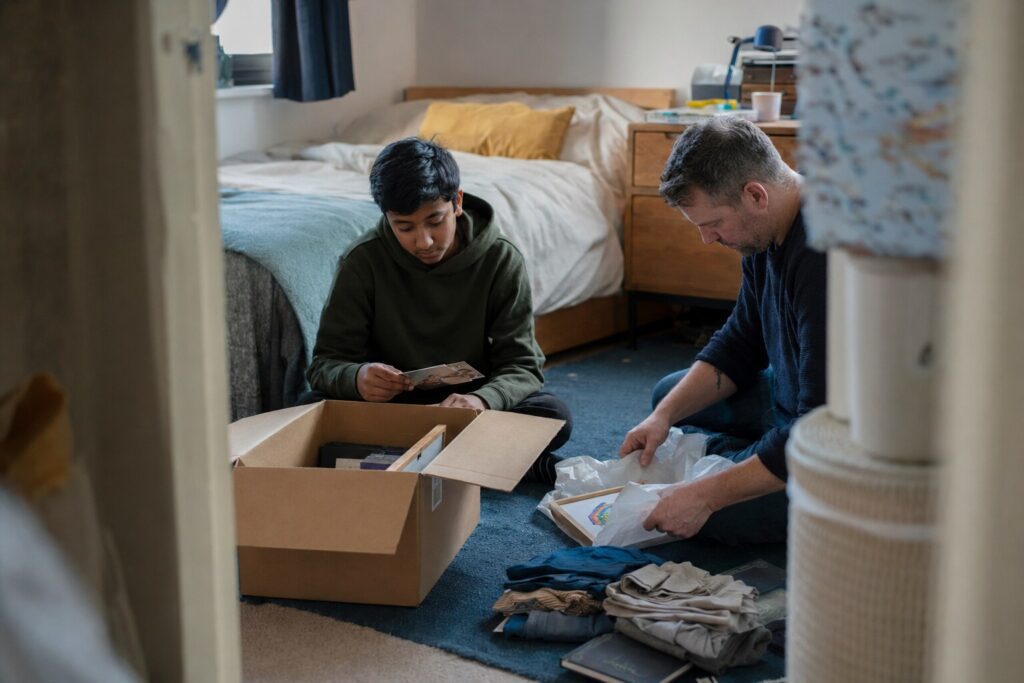
Moves are the part of fostering carers ask about most. An honest look at what happens when a child arrives, what to protect when they move on, and the support GLF puts around you at both ends.
Family Time: What Contact With a Child’s Birth Family Really Involves

Will they know where I live? Won’t seeing their mum unsettle them? What contact with a child’s birth family really involves, who decides it, and how to get a child through the hour afterwards.
Therapeutic Parenting and PACE: What It Actually Means for Foster Carers

Therapeutic parenting sounds like something you would need a psychology degree for. You would not. PACE was built for ordinary carers in ordinary kitchens, and most of it comes down to ten difficult minutes.
Understanding Trauma and Attachment: How Foster Carers Help a Child Feel Safe

What if the child has been through something terrible and I do not know what to say? Helping a child recover is not about saying the perfect thing. It is about being steady, and being there tomorrow.