
Food, Mealtimes and Fussy Eating in Foster Care

Food is rarely only food for a child who has just moved in. A practical guide for foster carers to fussy eating, hidden snacks, allergies and choking, what the fostering allowance covers, and when to ask for help.
Online Safety and a Foster Child: What Actually Works

Age checks arrived in July 2025, and Ofcom says children are still meeting harmful content at much the same rate. Here is what online safety actually asks of a foster carer, from the settings worth an hour to what to do on the bad day.
Supporting an LGBTQ+ Young Person in Foster Care

A foster carer’s job is not to work out what a young person is. It is to be someone safe enough to be told. What that looks like day to day, what you can ask a school for, and which decisions are not yours to make.
Fostering an Autistic Child: What Actually Helps
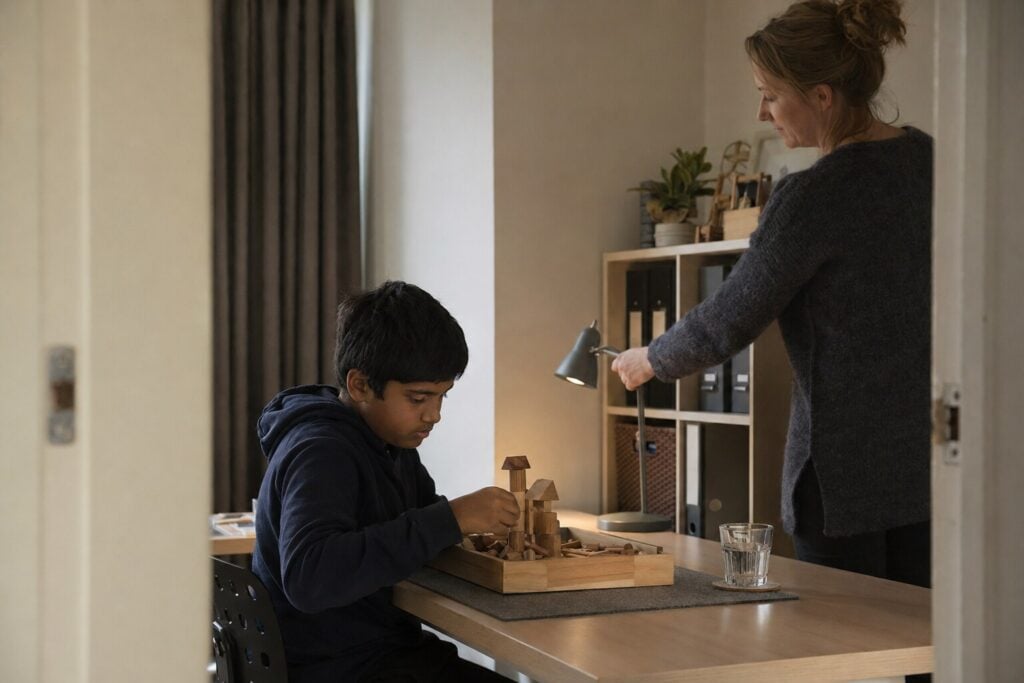
Most people waiting for an autism assessment in England have already passed the three-month standard the NHS sets itself. Here is what actually helps an autistic child at home and at school while you wait, almost none of which needs a diagnosis.
Communicating With a Foster Child: What Actually Gets Through

The big conversations almost never happen when you sit a child down and ask. Here is why talking sideways works better, what the famous “93 per cent is body language” claim actually says, and what to do when a child cannot yet find the words.
Child Development in Foster Care: What to Expect and When to Ask

Milestone charts are built from averages, and children who have had a hard start rarely match them. Here is the rough shape of what usually happens when, the extra health checks a child in care is entitled to, and who to tell if something does not look right.
Promoting a Foster Child’s Education: What You Can Actually Ask For

Children in care come with a virtual school head, a designated teacher, a plan reviewed every term and £2,690 of funding attached to them. Here is what all of that gives a foster carer the right to ask for, and when to ask.
Life Story Work: Helping a Child Understand Their Own Past

Almost half of four to seven-year-olds in care have never had a full explanation of why they are there. Here is what life story work is, who leads it, and why a foster carer’s own part is narrower: making sure the child keeps the memories of living with you.
How Foster Carers Help a Child Build Emotional Resilience

Resilience is not toughness, and you cannot train it into a child. What the research keeps pointing at is quieter: one adult who keeps turning up, a routine that holds, and a few everyday habits you can build into an ordinary week.
Helping a Foster Child Manage Anxiety: What Actually Helps

Anxiety in a child who has been through a lot rarely announces itself. Here is what the signs look like, what steadies a child during a panic attack, what helps over the following months, and when to involve the GP.