When a child or young person is missing or absent

t risk. Whether just a few hours, overnight or several days – never treat this as routine, even if the child/YP has done it before, or has a significant history of such. This may be: – failing to arrive or stay at school / football club/external place – failing to return home at the expected time  […]

Childline delivers thousands of counselling sessions about sexuality and gender identity

We’re reminding young people that Childline is confidential and here to help. As Pride Month gets underway, we’re reminding children and young people of all ages that Childline is here to help, whatever their worry. Young people’s concerns In 2024/25, we delivered 2,411 counselling sessions on the topic of sexuality and gender identity. Over 40% […]

Supporting neurodiversity

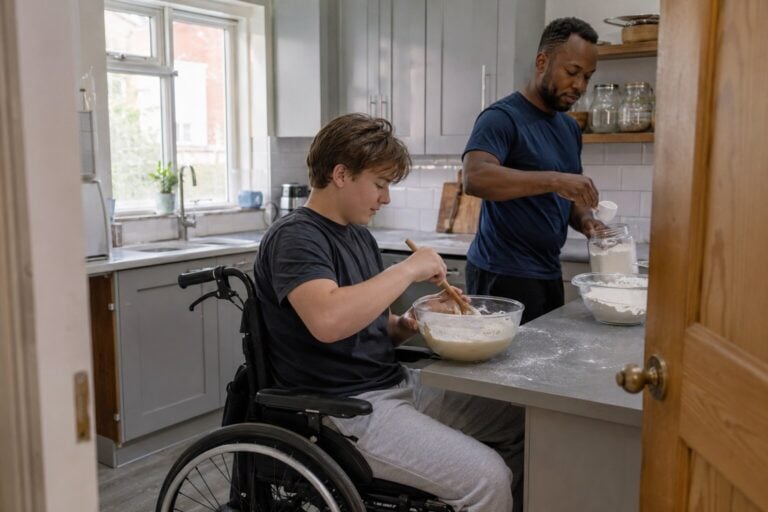
When talking about Neurodiversity, it is important to understand the language we are using. People will generally fall into one of two categories. Neurotypical: This term describes individuals whose brain functions and information processing are considered typical or within the expected range of the majority population. Or Neurodivergent: This term refers to individuals whose brain […]

Adolescence at Risk: Online Misogyny and Mental Health

What is Online Misogyny? Online misogyny refers to content and behaviour found online that promotes hatred, abuse, or harmful sexual behaviour towards women and girls (Ofcom, 2025). It is widespread in digital spaces, particularly within the ‘manosphere’, a heterogeneous network of communities across social media, blogs, forums, and channels, which attract thousands of users (Ging […]

Guidance to support children in care with insecure immigration status

It is estimated that there are 215,000 undocumented children living in the UK. At least 1 in 10 children in care in England are not British. Many of those children may have grown up in the UK, and may not even know that they are not British. All will have hopes and dreams for their future […]

Promoting health

If someone asked how you promote health, you would probably think about ensuring a child’s physical and perhaps mental health is a good place to start. I am sure there would be thoughts around ensuring a child is registered with the GP, dentist and optician and attends routine appointments. For babies, ensuring they are seen by […]

Effective Communication and Professionalism in Fostering October 2025

Foster carers are very much part of a much wider professional network. Fostering means recognising responsibilities, setting boundaries, and ensuring personal values do not override the child’s best interests. The foster carer’s role is to ensure that the child’s welfare, safety, and development remain at the centre of all decisions. At times, this can feel […]

Taking care of your wellbeing

As a foster carer, you do such incredibly important and demanding work, therefore it is vital that you take care of your wellbeing.  Thinking about your self-care, isn’t a luxury – it’s essential.  Foster carers create safe, stable, and healing environments, which is fundamental to helping fostered children recover, grow, and thrive.  It’s so important that […]

Online safety

NSPCC Learning has published a news story about the launch of Childline’s ‘Where We Stand’ videos. ‘Where We Stand’ is a four-part YouTube series showing how Childline can help young people navigate the online world. Influencers predict what teenagers really think about online life, covering issues such as AI, screen time and online safety. Professionals […]